
What truly drives organizational growth? Is it the visionary foresight of top leadership or the diligence of a skilled workforce?
The answer lies in dynamic equilibrium — a reciprocal relationship between strategic direction and executional excellence. Yet what binds these tiers together is not always visible: it’s the system of middle management. Think of this as a pyramid, with fewer minds at the top guiding strategy, supported by many hands at the base ensuring execution. What holds it all together are the “bridges” that allow information, trust, and empowerment to flow back and forth — these bridges are your people managers.
But not all bridges are equal.
Some are strong and transparent, encouraging open collaboration, feedback, and mobility. Others are gated, brittle, or performative, creating bottlenecks where talent stalls, knowledge silos form, and innovation dies quietly. These fragile bridges may appear functional but can inhibit growth, block recognition, and undermine morale.
Let’s call it as it is:
- Leaders are those bridges that remain open, resilient, and purpose-driven, enabling their teams to climb with confidence.
- Toxic Managers, in contrast, often mask control as leadership, gatekeep opportunity, and prioritize personal gain over collective success.
The Rocket Analogy: A Lifecycle of Perception and Fallout
- Imagine a corporate project as a rocket mission. The satellite represents the company’s vision, the propulsion system is the skilled team, and the manager is the connector — tasked with aligning the energy and ambition of both.
- At takeoff, the manager earns trust from both top and bottom, appearing to be the catalyst of success. As the project gains momentum, the manager becomes more visible, often absorbing recognition while the team behind the propulsion is either neglected or let go.
- While some team members crash into the ocean of disillusionment, others scramble to find new ground — often bearing the emotional and professional weight of being unseen.
- Eventually, when innovation slows and performance gaps widen, leadership realizes too late that the core propulsion system — the talent — has dissipated.
- (6,7) Removing the manager at this stage may appear corrective, but the real cost lies in losing the very team that fueled the ascent.

Belief vs. Trust: A Cultural Reflection
“Belief and trust may sound alike, but when placed precisely, they define organizational integrity.”Leadership may believe in their managers, but they must also trust the skilled force that operates beneath. It’s this duality of belief in direction and trust in execution that sustains organizational success.
The Bridges of Progress: Leaders vs. Managers
Now let’s return to our metaphor.
- Bridges that freely transmit knowledge and nurture talent become highways to prosperity, innovation, and shared growth. These are led by leaders who build confidence, loyalty, and psychological safety.
- Conversely, when bridges are weak or narrow — when access is blocked or biased — even the most skilled workforce stagnates. These represent managers who limit potential, foster favoritism, and misrepresent team achievements.
Leadership as a Hot Air Balloon: The Architecture of Trust and Elevation
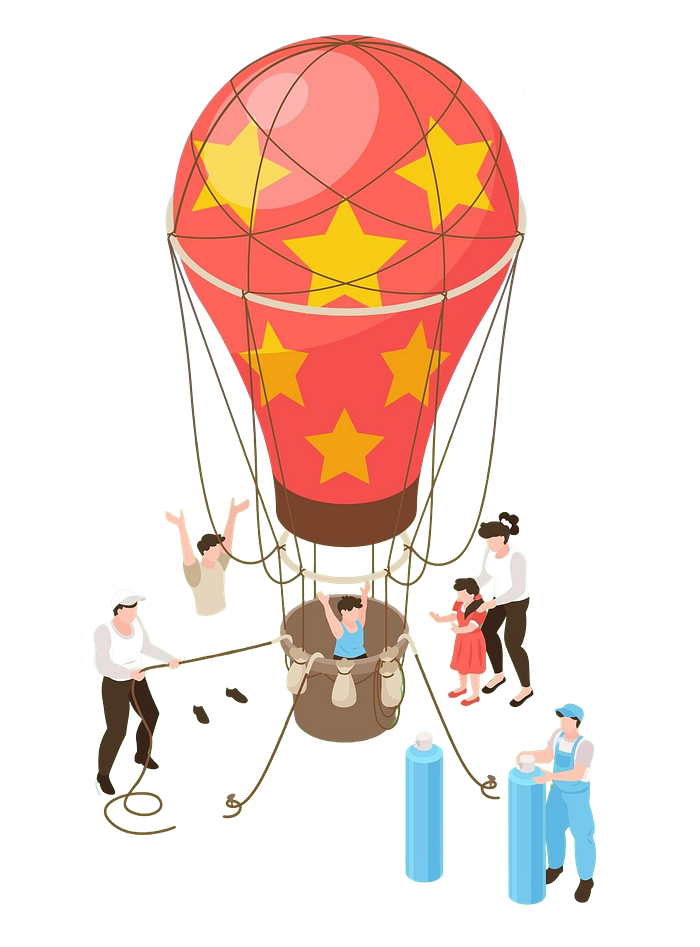
A real leader is not defined by title, but by how many people they lift, not leave behind.
What happens when the channels for skill and knowledge flow freely across an organization?You witness the rise of prosperity, confidence, and trust — foundations that form what we call true leadership. This is not just about titles or control; it’s about creating psychological safety (Edmondson, 1999), fostering collective intelligence, and building a space where individuals feel valued, empowered, and motivated to contribute.
“Leadership is the invisible infrastructure that allows people to move forward together, not just upward alone.”
Now imagine leadership through the lens of a hot air balloon:
- The balloon is the organization itself — capable of flight, movement, and elevation.
- The team is the basket — the grounded base that carries value, skills, and momentum.
- The flame is the shared motivation, trust, and emotional intelligence that propels the organization upward.
- The leader is the pilot — a steady guide who adjusts altitude, responds to pressure, and balances internal and external forces with care and transparency.
A true leader is not someone who flies solo or takes credit for favorable winds. Instead, they:
- Distribute recognition and responsibility equally between top and bottom.
- Foster two-way transparency, so both vision and concern travel freely.
- Fly together, float when needed, descend with intention — but always ensure that no one is left behind.
Whether the team ascends with momentum, floats through uncertainty, or descends to recalibrate, a great leader maintains harmony, cohesion, and belief in the collective journey.
This is not just poetic; it’s rooted in principles of transformational leadership, which emphasize:
- Idealized influence: Leading by example
- Inspirational motivation: Uplifting teams during both highs and lows
- Individualized consideration: Understanding personal growth within the group
- Intellectual stimulation: Challenging assumptions and enabling innovation (Bass, 1985)
In Conclusion
Leadership is not a one-time flight, but a sustained ability to navigate the ups and downs, always keeping the team grounded in purpose and lifted by trust.Whether you rise, drift, or descend — when led with empathy and clarity, a team stays together, thrives together, and elevates the organization beyond measure.